Era Pickleball coaching: Meet Our Team of Experts
@cristiangrsc888
When I first walked onto a sun-warmed court with a paddle in my hand, I understood immediately that coaching in pickleball is as much about people as it is about plays. It’s about noticing that curl of a wrist, the subtle shift in weight, the way a player’s shoulders soften when the right drill finally lands. Era Pickleball has built its reputation not just on the speed of its students’ improvement, but on the quiet confidence that grows when instruction is anchored in real-world experience, thoughtful analysis, and a culture that values technique without excess ceremony.
This article invites you into the world behind the scenes at Era Pickleball. It’s a portrait of a team assembled with care, a group that blends competitive pedigree with the day-to-day realities of teaching a broad spectrum of players. You’ll read about the coaching philosophy that guides us, the practical routines that shape every class, and the human moments—those small, telling exchanges that reveal what a student is really ready to learn. If you’ve ever wondered what makes pickleball coaching feel different at Era Pickleball, you’ll find the answers here, in the voices of the people who live this work.
The team at Era Pickleball isn’t a squad of interchangeable instructors. It’s a tapestry of experience, travel, and a shared belief that the sport’s best progress comes from precision, patience, and a willingness to adapt. Some of us cut our teeth in national circuits, others learned the craft in community programs or college clubs, and a few came to coaching after careers in other sports that demanded quick, nuanced reading of an athlete’s needs. What binds us is a practical philosophy: teach the fundamentals with rigor, push for problem solving, and meet players where they are. The result is a coaching environment that feels almost like a partnership—between the coach and the student, between the group and the court, and between era and era in the sport itself.
As Era Pickleball grew, so did the coaching staff’s responsibilities. The classes you’ll find on our sites are crafted not as scripted routines but as evolving offerings shaped by what players need most, at their current level. We emphasize a clear ladder of skills, but we do not treat the ladder like a rigid ladder. We want players to feel the relevance of every drill, to see the practical payoff in a match context, and to understand how techniques transfer to doubles strategy, singles control, and everything in between. That practical thread runs through every coaching decision—from how we structure a session, to the cues we offer, to the way we measure progress.
A note on structure: this piece moves through several strands of the Era Pickleball coaching story. You’ll find an overview of our coaching philosophy, a walk through a typical training cycle, stories from the court that illustrate how theory becomes practice, and finally a closer look at how to choose a program that fits your goals. Throughout, I’ll weave in concrete examples that have surfaced in real sessions, not rehearsed anecdotes. You’ll meet a few core members of our team through the lens of their specific strengths and the kinds of players they tend to attract. The aim is to give you a sense of what makes Era Pickleball coaching distinctive, and to help you decide how to engage with our pickleball classes Era Pickleball or our training programs at erapickleball.com.
Philosophy first: the art and science of coaching
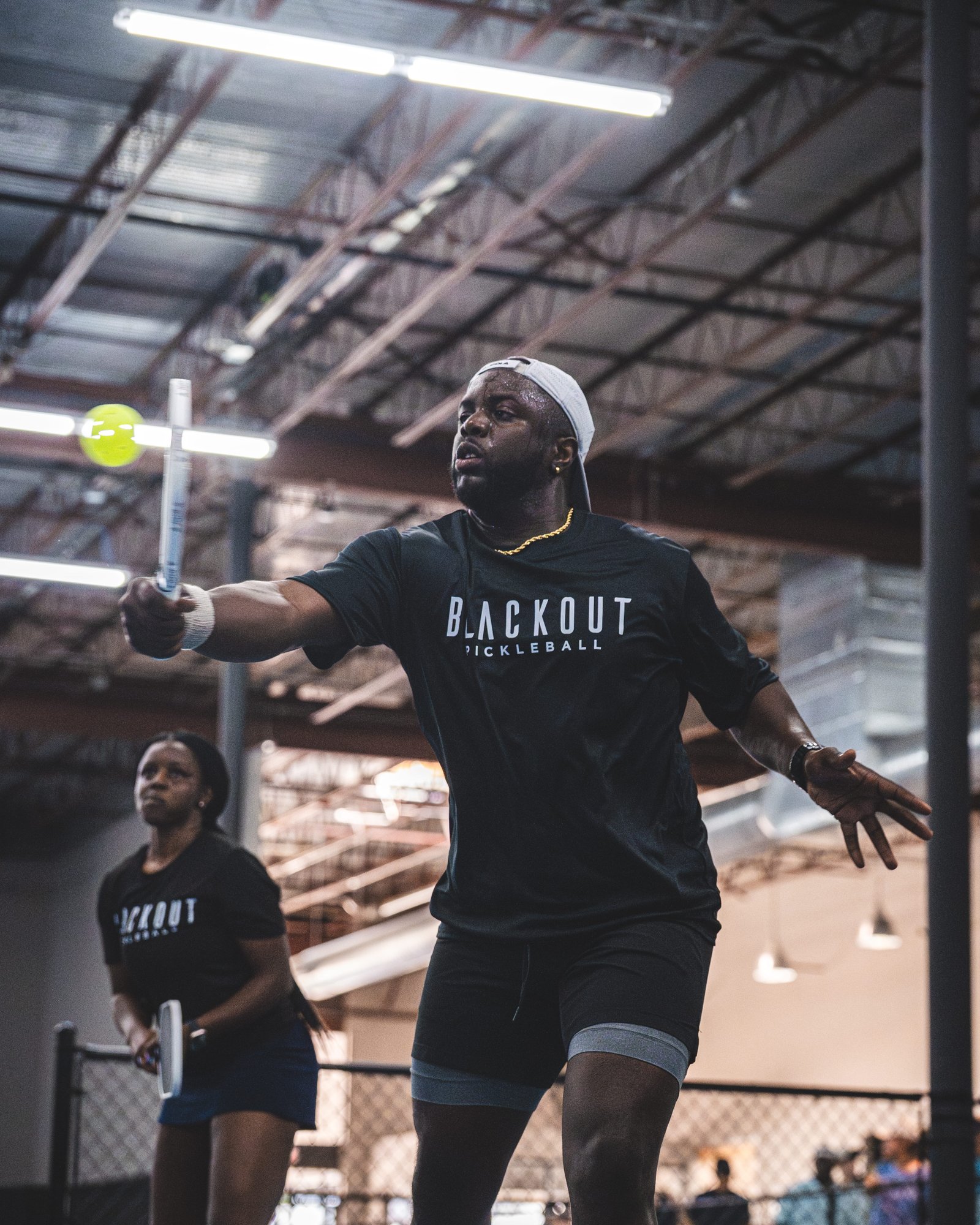
The first thing that strikes most players who join an Era Pickleball class is a quiet confidence that the instruction has substance. There’s no overstatement, no inflated promises. Instead, you notice a balance between plan and spontaneity. We come prepared with a map of objectives for the session, but we’re ready to pivots when a player grasps a concept more quickly than expected or needs extra time with a particular skill.
A core principle is precision without pedantry. We want you to understand why a shot works, not merely how to execute it. That means delving into mechanics—the line of the paddle through the ball, the angle of the feet relative to the target, the timing of the contact. But it also means giving you a language for the game that you can carry beyond the court. We describe options, not rules, and we encourage players to become problem solvers on the fly. The result is less rigidity, more adaptability, and a sense that you control the learning curve rather than being dragged along by it.
Another pillar is the link between fundamentals and strategy. Too often players practice in a vacuum, drilling a technique until it becomes reflex. In our approach, technique is the vehicle for better court sense. When you learn to place a shot with intention, you also learn to read your partner, anticipate your opponent’s patterns, and adjust your own approach in real time. Our training mimics the tempo of actual matches so that the skills you acquire translate directly to competitive play.
Learning in the Era environment isn’t about speed. It’s about durability. We want you to carry improvements across months, not sessions. That means teaching with a long view: how to maintain grip consistency during long rallies, how to pace energy across a doubles match, how to protect your shoulders and wrists from fatigue in a way that keeps you playing longer, not simply pushing you to endure a single drill. The risk of chasing short-term gains is real in any sport; we actively design cycles that reward steady accumulation rather than quick wins that fade.
On the technical front, we emphasize three complementary strands: tactics, technique, and mindset. Tactics covers the decision tree you apply during points—when to attack, when to defend, how to position your feet for the next shot. Technique is the mechanics—the grip, the paddle angle, the contact point. Mindset is the soft skill layer—the focus, the patience, the confidence to reset after a misstep. None of these elements operates in isolation. The most successful players move fluidly among these three, weaving them into a coherent game plan.
A practical note: our coaching is deeply tuned to the realities of era-specific play. We’re not chasing a universal, one-size-fits-all model of excellence. Different players have different strengths, varying mobility, and distinct goals. Some want to climb the tournament ladder, others simply want to enjoy more wins in local leagues, and a few seek a pathway back to sport after an injury or lengthy layoff. The coaching calendar reflects that diversity. We design pathways that accommodate all these trajectories while preserving the core standards that define Era Pickleball coaching.
From the court: real-world moments that shaped our approach
Every coach at Era Pickleball can point to a handful of moments that anchored our practice in something more tangible than theory. One such moment came on a late summer evening when a student named Maya, who had never played with more than a casual paddle, found her rhythm during a drill that combined footwork cues with a targeted shot pattern. She was able to translate a drill into a real point by focusing on a simple sequence: step, align, contact, and extend. The breakthrough wasn’t the shot itself so much as the realization that a single, repeatable sequence could be the engine of a winning rally.
That kind of incremental clarity is the essence of our coaching tempo. We favor small, repeatable improvements that accumulate into a real change in a player’s game. It’s not about flashy technique in every drill; it’s about consistent progress you can see on the scoreboard, then feel in your overall comfort level on the court. It’s about developing a sense for what to do next when the pace quickens, not simply what to do in a controlled drill.
Consider a different scene: a doubles class where two teammates struggle to synchronize their movement and court coverage. The fix wasn’t a single mechanical adjustment; it was reorganizing their communication and spacing so that they could trust each other to cover lanes. The coaching approach here combined on-court demonstration, then a period of practiced rallying with specific constraints that forced them to negotiate who reacts to an opponent’s drive and where their partner should position in subsequent shots. The moment of cohesion arrived gradually, triggered by a shared vocabulary and a simple, reliable routine that became their default response in pressure points.
Even in individual training, the same philosophy applies. A common thread across our private sessions is the emphasis on self-reliance. We want players to be able to diagnose their own issues and implement corrective steps between visits. The coach’s job is to illuminate the path and light the way, not to carry the load for every session. The best students take ownership of their practice—collecting notes, reviewing video when possible, and returning with a sharper sense of what they want to master next. That ownership is what transforms a good player into a consistently reliable competitor.
What makes Era Pickleball classes special
There is a practical gravity to our programs that you feel once you step onto the court. First, the coaching roster is diverse. It’s not a single voice offering universal prescriptions; it’s a chorus of perspectives that cover everything from early skill-building to advanced doubles strategy. Each coach offers a distinct lens, and the group as a whole ensures you’re exposed to a broad range of techniques in a single season.
Second, the feedback loop is unusually tight. We combine live on-court guidance pickleball rentals with structured feedback periods. After a drill, we pause to discuss what worked, what didn’t, and why. We’re careful to translate observational notes into concrete adjustments you can act on that week. This is not a vague sense that you “improved.” It’s a measurable, tangible shift in how you move and think during play.
Third, our class design respects the realities of modern life. Many players juggle family duties, work obligations, and travel schedules. We offer flexible scheduling, balanced group sizes, and scalable training blocks. If you’re just trying to maintain a baseline level of movement, our foundational sessions will be sufficient. If you’re pursuing tournament readiness, we can tailor a more intensive plan that respects your time and energy.
Fourth, the accessibility of our coaching is noteworthy. The eras of pickleball we target range from novices with a few weeks under their belts to seasoned players who are chasing podium finishes. Our approach remains anchored in clarity and practicality. We don’t assume everyone will become a pro, but we do commit to making every class meaningful, no matter your background. The aim is to be relevant to your goals, not to overwhelm you with jargon or a one-size-fits-all agenda.
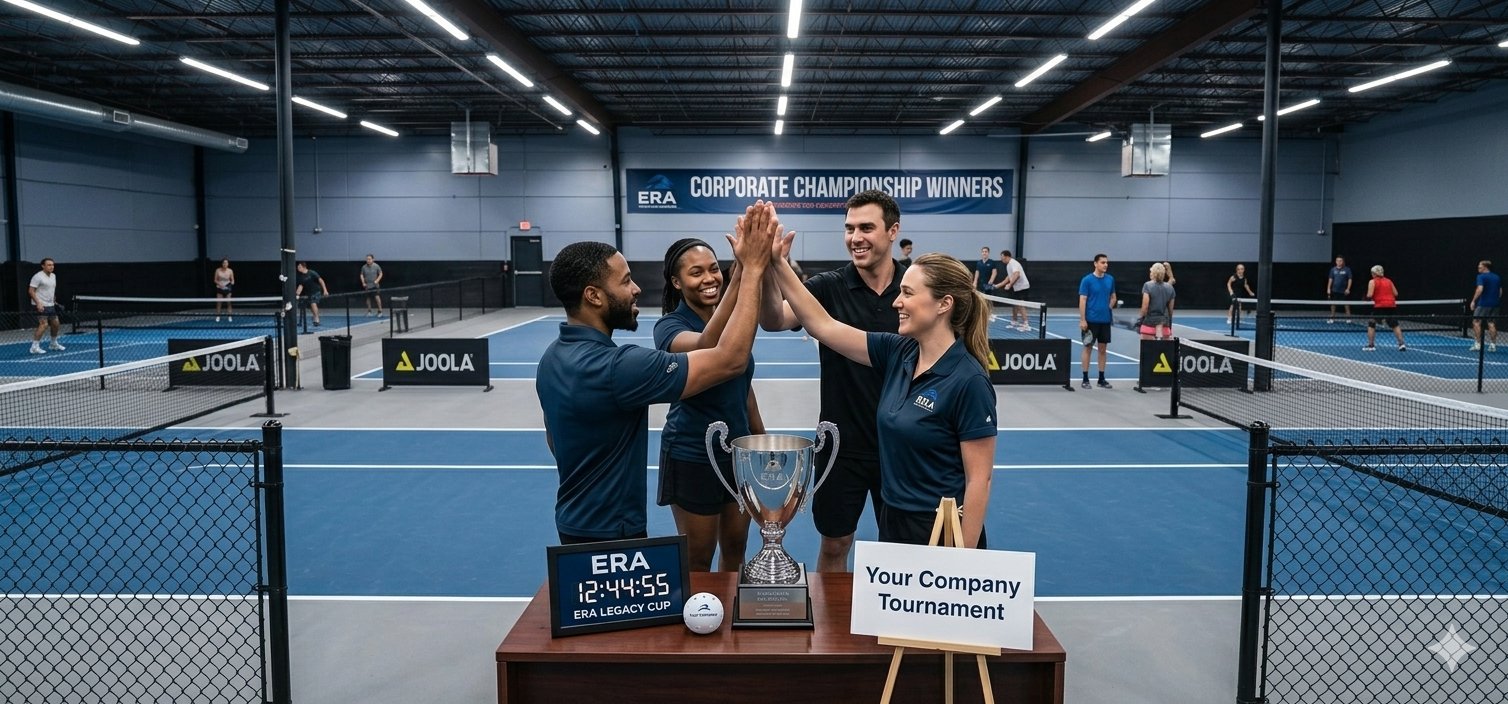
Fifth, the community around Era Pickleball is a feature in its own right. The network of players, parents, and coaches often becomes a supportive stepping stone for people who are new to the sport. We encourage players to learn from each other as well as from us, to share victories and setbacks, and to bring a sense of camaraderie to the court. A good class becomes a space where people show up not only to improve technically but to enjoy the social dimension of the sport as well.
Two curated lists that capture our day-to-day reality
-
Our coaching strengths
-
Real-world emphasis: drills and cues that map directly to match play, not abstract theory.
-
Adaptive planning: lesson plans that shift based on who is in the room and what they need most.
-
Team depth: a spectrum of coaches who bring different specialties to doubles, singles, and mobility.
-
Communication clarity: feedback that is precise yet supportive, with actionable steps.
-
Long-view mindset: a focus on durable improvements over quick, temporary gains.
-
Training pathways at era pickleball coaching
-
Group classes that balance fundamentals with live scenarios so you learn through application.
-
Small-group clinics that zero in on specific skills like poaching, dinking accuracy, or transition play.
-
Private coaching that tailors every detail to your physique, goals, and injury history.
-
Video analysis sessions that let you see what your eyes might miss on the court.
-
Progressive ladder programs that chart a course from beginner to advanced stage, with milestones along the way.
What to expect when you sign up
The first session is usually a balance of assessment and acclimation. You’ll quickly discover that the pace is tailored to the room. Some groups move fast, others move with a steadier tempo, and a good coach will adjust without making you feel you’ve fallen behind. We begin with a baseline evaluation that covers grip, stance, shot selection, and footwork—the elements that typically determine whether you can sustain an effective rally from the first point to the last.
The next step is goal alignment. You’ll be invited to articulate what you want to achieve: more consistency on the third shot drop, improved reaction time at the net, better coordination with a partner, or a return to play after an injury. The coach then translates those aims into a practical plan. You’ll see a map in your calendar that ties weekly drills to your broader goals, with check-ins to measure progress and recalibrate as needed.
One hallmark of Era Pickleball training is the balance between structure and spontaneity. We publish a curriculum, but we reserve the right to improvise when a group demonstrates a surprising learning curve or when a concept lands unexpectedly well. That adaptability is not a gimmick; it’s a recognition that no two players learn the same way, and the best way to unlock potential is to follow the thread where it leads.
In terms of equipment resilience, we are pragmatic. The coaching staff understands the realities of wear and tear on joints and tendons. Our progression plans emphasize proper warm-up routines, shoulder-friendly grips, and pacing that respects the body. We encourage players to log sessions with notes about what felt good and what didn’t, creating a feedback loop that informs both the player and the coach. This approach reduces the risk of overuse injuries and keeps you playing longer, with more enjoyment.
Beyond technique: the social fabric of growth
Coaching at Era Pickleball is not merely about improving your top spin or backhand slice. It’s about building a broader relationship with the game, and with people who share the same curiosity and commitment. The court becomes a living classroom where you try, observe, and adjust, but it’s also a social space that extends into practice nights, informal scrimmages, and occasional mini-tournaments. That social dimension is not an afterthought. It anchors motivation, creates accountability, and makes the practice feel like a natural extension of your daily routine rather than a rigid obligation.
As players advance, the conversations shift. Early on, the focus is on getting the ball over the net with some accuracy. Later, the emphasis expands to channeling that accuracy into purposeful aggression, reading opponents’ patterns, and coordinating with a partner so your collective effort becomes greater than the sum of its parts. The progression is often nonlinear, with plateaus and breakthroughs that come in waves. Our coaches stay with you through those phases, offering encouragement when confidence dips and celebrating the small, cumulative wins that often go unnoticed outside the court.
The practical balance of risk and reward sits at the center of our approach to competition. We don’t promise miracle turnarounds overnight, but we do offer a proven framework that can translate into real performance improvements over a season. We teach you to manage the emotional stakes of a close match as well as the technical details that keep you in games. You’ll learn to embrace the pressure as part of the game rather than something to fear, and you’ll acquire tools to reset quickly after mistakes.
Choosing the right Era Pickleball program for you
If you’re evaluating pickleball classes Era Pickleball offers, you’re likely looking for something a bit more concrete than a general recommendation. The right match comes down to several practical considerations. First, assess your current level and your goals. Are you a beginner seeking a structured introduction to the sport, or are you a more experienced player aiming to fine-tune your doubles strategy? Era Pickleball coaching has offerings across that spectrum, but the fit should be obvious once you compare the outcomes you want with the program’s strengths.
Second, consider the coaching style. Some players respond to highly analytical feedback with precise cues and video breakdowns. Others prefer a more exploratory approach where you test different patterns in game-like drills. Our staff can accommodate both styles by pairing players with coaches who align with their learning preferences. In group settings, you’ll gain the benefit of seeing multiple coaching voices and a wider range of ideas, which often accelerates learning.
Third, logistics matter. Scheduling, location, and class size influence your experience. Our classes are designed to be accessible while preserving the intensity and focus players need to push ahead. If you’re balancing work and family, we can help you find blocks of time that fit your life, ensuring that training becomes a sustainable habit rather than a rare event.
Finally, look for a coaching ecosystem, not just a single instructor. Era Pickleball is built on a network of mentors who support one another and the players they teach. This means you’re not relying on the perspective of a lone coach forever; you gain exposure to a range of viewpoints, drills, and strategies, which broadens your understanding of the game and keeps learning fresh.
The real value of a long-term coaching relationship
What distinguishes a long-run coaching relationship from a short-term fling is the depth of your practice and the confidence you gain to push through difficult sessions. In our experience, players who commit to a multi-month arc see the most durable shifts. They walk away with habits that become second nature—a reliable serve return, a break point conversion plan that doesn’t rely on luck, a keen sense of when to reset during a tense rally. This kind of transformation does not arrive with a single breakthrough session. It arrives with consistency, reinforced by thoughtful feedback and progressive challenges that gradually expand what you can do on the court.
A great example involves a player who joined with a solid baseline game but limited net presence. Over several months, the coaching team introduced a measured progression that gradually shifted the emphasis from deep groundstrokes to controlled net participation, culminating in a doubles setup where the player could impose pace from the net without giving up the court. The improvement wasn’t dramatic in a single moment, but the new patterns became automatic, affecting decision-making across all types of contact and pressure.
If you’re considering a longer commitment, you should also think about how your training integrates with your overall athletic life. Pickleball is a sport that rewards consistency more than intensity; you’ll get better results from frequent, shorter sessions that reinforce the right habits, rather than sporadic, high-effort blocks that fade quickly. Our scheduling philosophy reflects that reality, offering a cadence that encourages reliable practice without burning you out.
Looking ahead: what’s on the horizon for Era Pickleball coaching
The field of pickleball coaching continues to evolve as the sport expands into more communities and competitive ecosystems. We’re watching trends in equipment development, rule variations, and new strategies that emphasize speed, control, and mental resilience. Our approach remains anchored in practical application. We don’t chase trends for their own sake; we measure them against the core question: does this help players play better, longer, and with more joy?
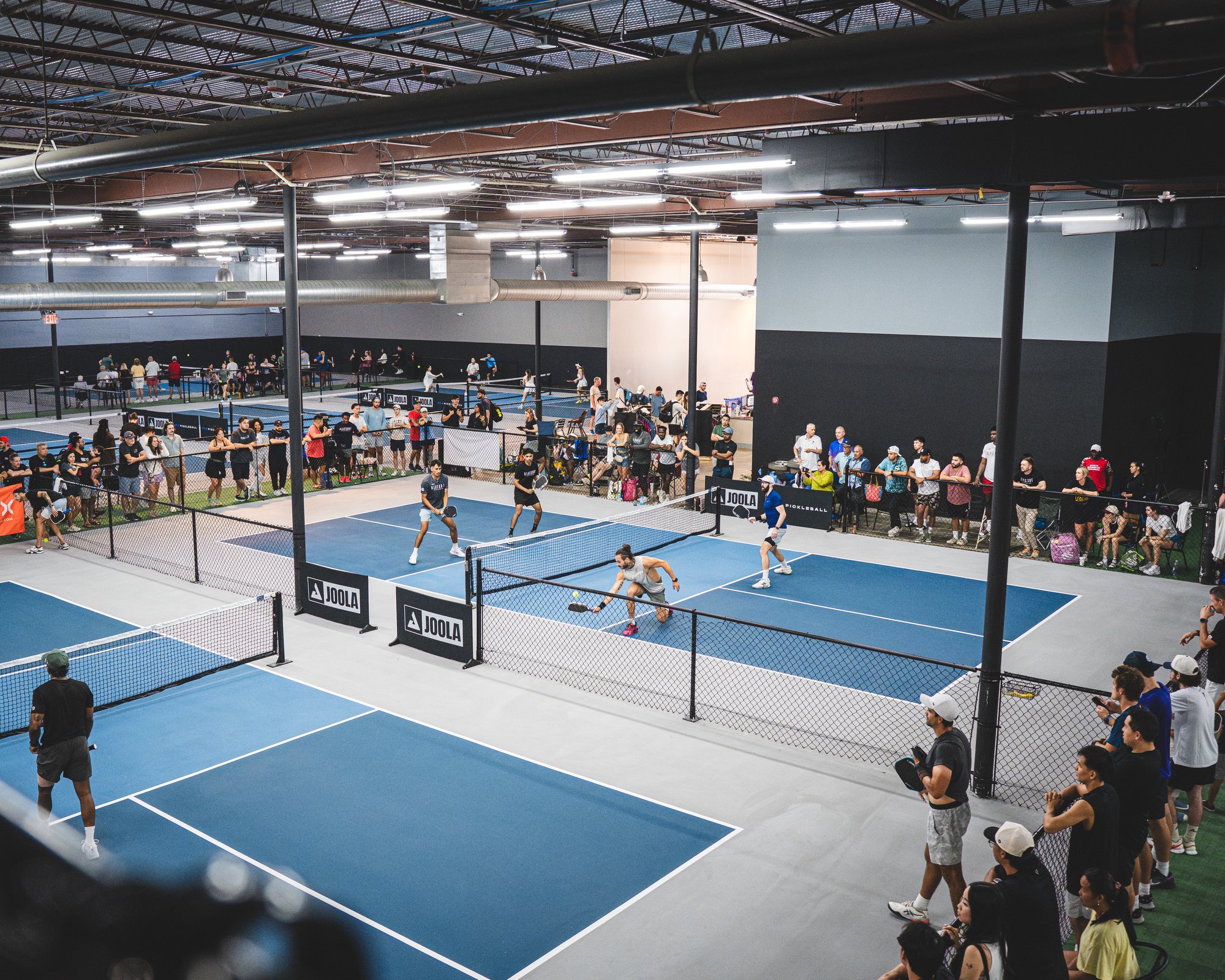
We’re also investing in our coaches, which matters more than flashy drills. A great instructor is not merely clever with a good idea; they are generous with their time, precise with feedback, and capable of turning a session into a turning point for someone who might not see it coming. We provide ongoing opportunities for our staff to grow—through advanced certifications, peer coaching rounds, and collaborative planning that ensures the entire team stays sharp.
If you’re curious about a specific coach, the best first step is to attend a class and watch how the team interacts with players across levels. You’ll notice a pattern: coaches are there to guide, not to perform. They listen, adjust their language to your level, and make sure you leave with something tangible to work on. It’s this combination of attentiveness, practical wisdom, and a commitment to long-term growth that makes Era Pickleball coaching unique.
Final thoughts for prospective players
Pickleball is a game of micro-skills, and a good coach helps you knit those micro-skills into a cohesive game. The Era Pickleball coaching team embodies a philosophy that values clarity, adaptability, and durability. We want players who show up with a willingness to learn and with the patience to let improvement unfold through repeated, deliberate practice. If you’re ready to commit to a program that respects your starting point and respects your time, you’ll find a home here.
Our approach is not about making every session feel easy. It is about ensuring that every session pushes you just enough to break a plateau and then consolidates the gains in a way that sticks. The proof, as they say, is in the results. You’ll see it in your rallies, your consistency, and your confidence at the net. You’ll sense it in the way you read plays and anticipate your opponent, not just react to them. And you’ll experience it in the shared energy of a class that ends with players smiling, energized, and looking forward to the next session.
If you’re weighing options, remember that the coaching relationship you choose matters. You’re not just purchasing a class; you’re entering a partnership that aims to keep you playing well for years to come. Era Pickleball coaching is built for players who value depth over quick wins, who want to understand the why behind the what, and who appreciate a community that keeps lifting each other as the sport grows. That’s the heartbeat of our team, and it’s what makes every court session feel a little bigger, a lot more purposeful, and genuinely enjoyable.
Erasing the mystery around what makes a great coach is not the goal. The aim is to reveal how a thoughtful, human approach to teaching can unlock potential in every player who steps onto the court. It’s a practical craft, not a performance. And for those who come ready to learn, the rewards can be significant: steadier hands, sharper minds, and a game that feels reliable, intelligent, and truly theirs. That is the promise behind Era Pickleball pickleball classes, and it’s the standard we strive to meet in every session, week after week, season after season.