Era Pickleball: Community Hub for Players and Coaches
@cristiangrsc888
In small-town rec centers and urban loft spaces alike, a new rhythm is taking hold. Era Pickleball The thwack of a paddle, the chatter of a clinic, the gentle thrum of wheels on gym floors as players arrive with friends in tow. Era Pickleball has become more than a court count or a weekly schedule. It is a community machine that turns sport into connection, curiosity into skill, and a marketplace into mentorship. The story of Era Pickleball is not merely about equipment or schedules; it is about the way a dedicated pickleball academy can reshape the everyday frame of a neighborhood, offering a center that serves players, coaches, families, and casual watchers with equal sincerity.
From the first moment I stepped into Era Pickleball, I felt the difference. The reception desk is more than a checkpoint; it is a compass. You are greeted not with formality alone but with a quick, practical warmth that signals you’ve arrived somewhere you can learn, belong, and grow. The spaces feel designed for flow rather than noise. Light pours in through large windows, and the soundscape blends respectful chatter with the ping of a well-aimed dink. It’s a place where a first-time visitor can walk in and discover that the court doors open to a spectrum of possibilities.
The core of Era Pickleball’s appeal rests on three pillars: a robust coaching ecosystem, a carefully curated program slate, and a flexible infrastructure that can adapt to different group sizes and needs. The academy’s leadership understands the game at multiple levels—from fundamentals for beginners to advanced drills that push seasoned players to test new strategies. The coaching staff, assembled from competitive players, seasoned instructors, and youth development mentors, tends to everyone with the same attention. They are not merely teachers of technique; they are stewards of a learning culture that prizes feedback, patience, and incremental progress.
What makes a pickleball academy like Era successful is not just the quality of coaching but the choreography of the day. You watch a line of players move through a high-repetition drill, then pivot to a strategy session where they discuss positioning and court geometry over a quick coffee. The energy shifts from drill to discussion in the span of a few minutes, and the cadence has a rhythm that’s almost musical. Coaches lean in with a mixture of encouragement and precise critique, offering corrective cues that feel actionable rather than abstract. You can measure improvement in how a player moves around the kitchen with more confidence, or how a beginner, after a few weeks, begins to anticipate balls earlier rather than reacting in the moment.
Era Pickleball’s campus design is more than aesthetic. The center is laid out to support a diverse stream of users. There are full-sized courts with clamp-and-dock nets that go up and come down like clockwork, a dedicated warm-up area that doubles as a social spine, and a locker room that smells faintly of citrus hand soap and fresh towels. In the pickleball world, where space and scheduling can dictate opportunity, Era’s emphasis on efficient throughput matters. The courts aren’t just about capacity; they’re about a frictionless experience that encourages people to try new things without the anxiety that can come with a crowded facility.
One of the surprising but welcome features of Era Pickleball is the way it handles accessibility and inclusivity. A community hub cannot claim to serve everyone if it does not put in the work to meet people where they are. The academy offers programming designed for different skill levels, from introductory clinics for new players to skill-development labs for those who want to deepen their game. It also pays attention to accessibility in several practical ways, including clear signage, accessible restrooms, and programming that accommodates players with varying mobility needs. The staff practices patient communication, giving all participants time to absorb instructions, ask questions, and practice with repetition.
The business model behind Era Pickleball is as practical as it is humane. It balances revenue streams without compromising the soul of the community. Court rentals provide the backbone of the weekday schedule, while structured programming—clinics, camps, and league formats—garners ongoing engagement. The academy adapts to the seasons and to local demand, which means you can see shifts in the calendar that reflect what people actually want to do on the court. There is a clear return on investment for families and individuals who commit to a season of coaching, plenty of value in the form of progressive skill-building, and a social payoff that is harder to quantify but easy to feel.
From a coaching perspective, Era Pickleball serves as a training ground and a mentorship network. Coaches can design progressive curricula that map out a series of goals for students across weeks or months. The academy recognizes that learning is not a linear path; it’s a landscape with plateaus, sudden breakthroughs, and moments of frustration that require a supportive environment. The staff encourages coaches to document progress, to share feedback with players in accessible language, and to celebrate small wins. This collaborative ethos makes coaching less solitary and more communal, a vital element in retaining players who might otherwise drift to other activities as life gets busy.
If you visit Era Pickleball on a Tuesday evening, you will notice something more than the rhythm of drills. You will see players who have become regulars, families who bring kids to watch and learn, and a few quiet observers who drift in with curiosity and end up signing up for a trial session. The welcome culture matters. It’s not grandiose or performative; it’s grounded in a practical sense that a new person needs a friendly nudge to start, a patient guide to explain the basics, and a clear path to where they can go next. This is how a community is built—one person at a time, one session at a time, with a shared sense that the sport can be a gateway to better health, better heart rate regulation, and better social connection.
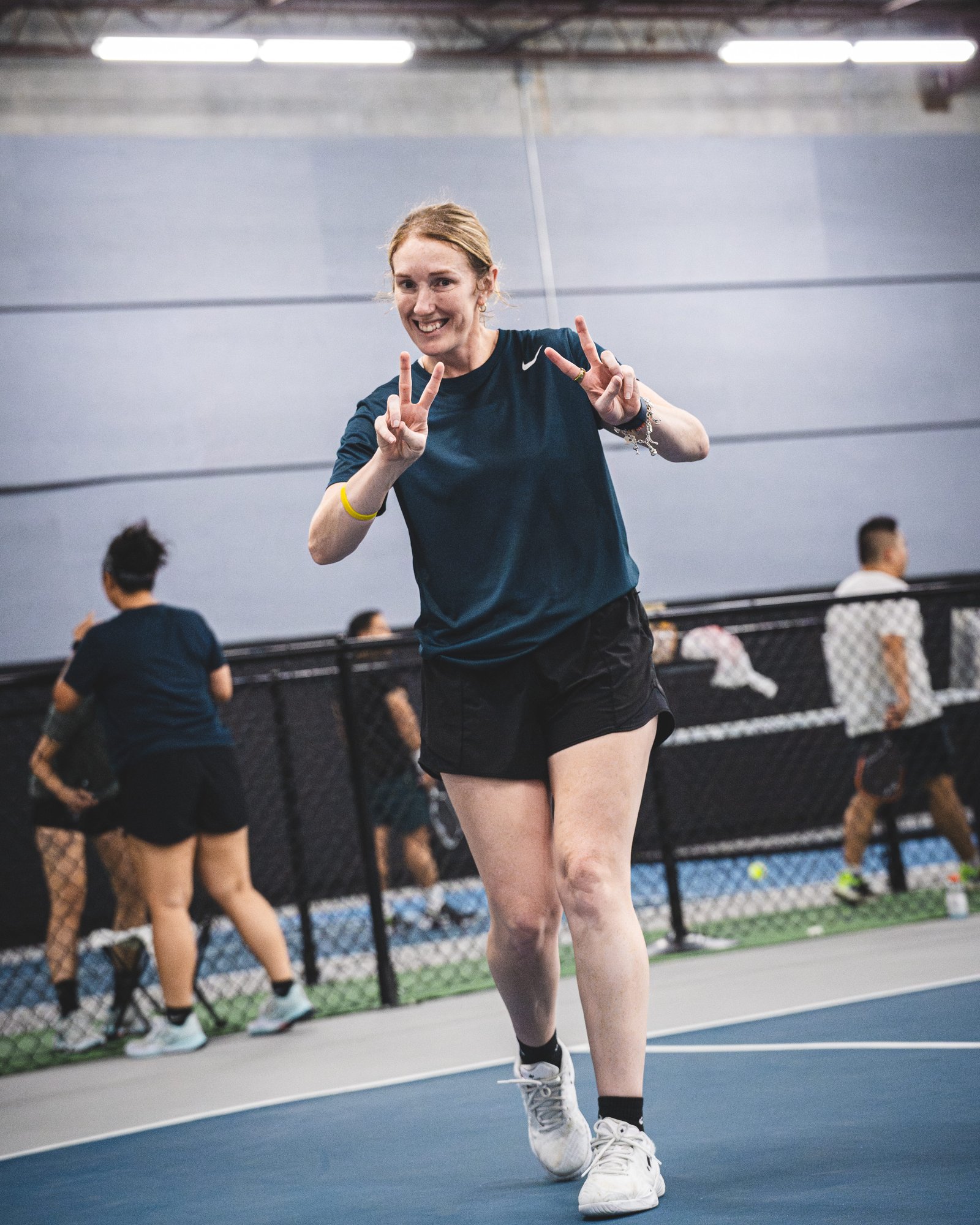
Era Pickleball also extends beyond the court into the life of the neighborhood. The academy hosts open houses, charity clinics, and youth showcases that bring in neighbors who may not yet identify as players. These events are designed to be low-risk, high-reward experiences. A parent who attends a kid-friendly clinic learns that the sport teaches more than hand-eye coordination; it teaches discipline, teamwork, and the importance of showing up on time with a can-do attitude. The open houses provide a bridge to formal programming, letting people feel the vibe before committing financially. The effect is tangible: the center becomes a natural place for different generations to cross paths, share snacks in the lounge, and trade stories about training conferences, travel tournaments, and the minor triumphs that color everyday life.
As with any successful community venture, Era Pickleball experiences a few edge cases worth noting. Not everyone has a perfect experience every time. Peak hours can test the limits of facility management, and beginner clinics can fill up quickly, leaving some would-be players feeling left out. The academy addresses these situations with transparency and proactive planning. When a popular clinic fills to capacity, the staff moves to expand into additional time slots or creates parallel sessions that accommodate different learning paces. If a beginner clinic runs longer than expected, the coaches adjust the pace on the fly, replacing some of the advanced cues with more fundamental guidance to ensure that participants stay engaged and supported. These adjustments are not afterthoughts; they are part of the operating rhythm that makes Era Pickleball resilient.
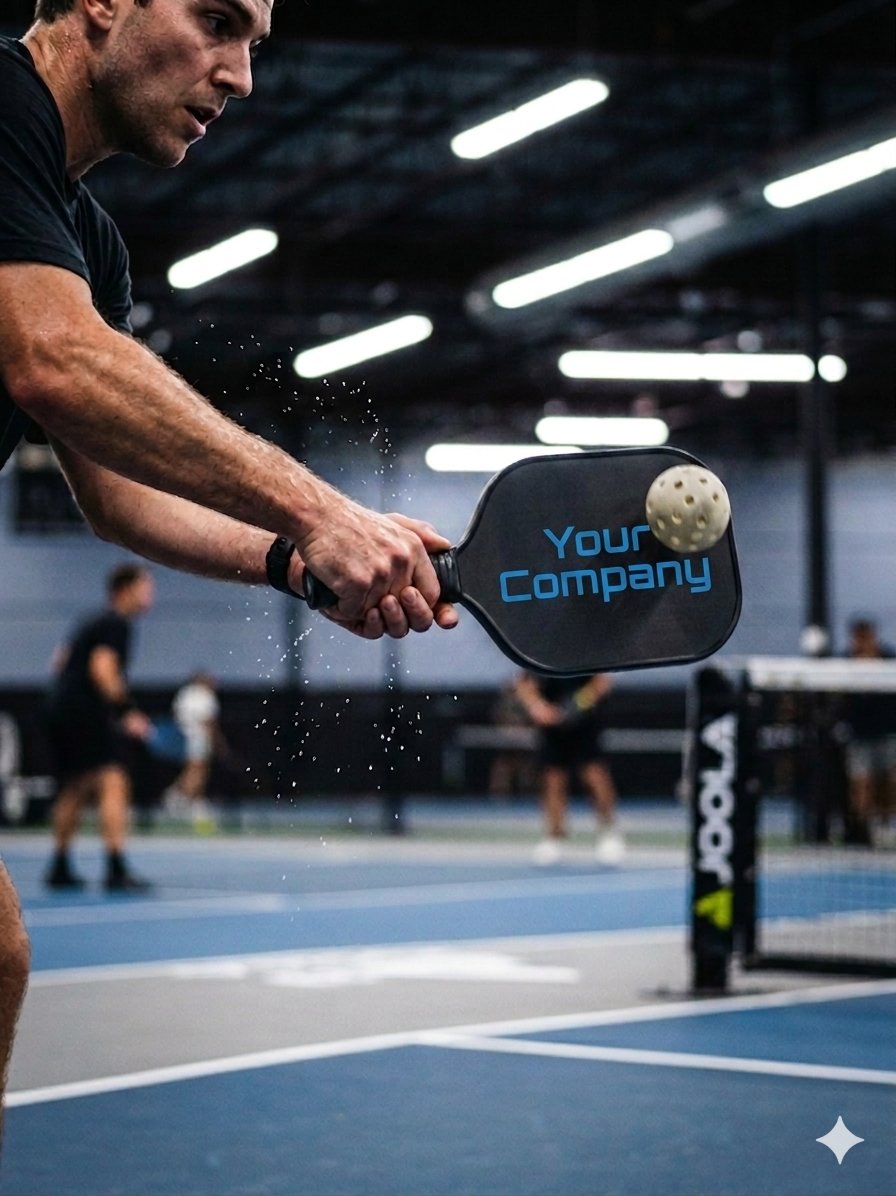
The culture around Era Pickleball also includes a careful attention to safety and risk management. Because the sport moves quickly and involves rapid changes in direction, there is a premium on warm-ups, cooldowns, and injury prevention education. The academy provides short, practical workshops on dynamic stretching, shoulder health, and ankle stability. Players are taught to recognize early signs of overuse, and there is a no-judgment space for those who need to reassess their training volume. In this environment, people learn to respect the limits of their bodies while still pursuing progress. The result is a community that values sustainable participation over short-term gains, a philosophy that sustains long-term engagement and reduces the likelihood of burnout.
The role of technology at Era Pickleball is subtle but significant. The academy uses a streamlined management system to handle registrations, court reservations, and progress tracking. Players can review a digital training log that captures drills practiced, performance notes from coaches, and personal milestones. For the coaching staff, the system provides a shared repository of lesson plans, video feedback, and progression rubrics. This transparency creates accountability and clarity, two ingredients that help families feel confident about where their investment is going. Yet the human touch remains central. The best moments arise when a coach sits with a student after a session, watching a short clip of a rally and offering a few concrete cues. The combination of thoughtful technology and intentional coaching creates a durable, scalable model.
Era Pickleball has a clear stance on community partnerships as well. The academy seeks to collaborate with schools, senior centers, and local nonprofits to broaden access to the sport. These partnerships come with practical arrangements: shared facilities for clinics, discounted rates for certain programs, and volunteer mentoring opportunities for older players who want to give back. When a school brings a class to the center for a weekend jam session, the room fills with a different kind of energy—curiosity, experimentation, and the contagious smile of a student who discovers a new favorite sport. The long tail of these partnerships is a more inclusive local ecosystem that makes it easier for families to try pickleball without the friction of heavy costs or complicated logistics.
Two lists can help readers quickly grasp the scope of Era Pickleball’s offerings without losing the thread of the narrative. The first is a snapshot of core services, a practical guide for someone considering a visit or a booking. The second highlights opportunities for deeper involvement, such as coaching pathways, community roles, and event participation. These lists are intentionally compact to respect the constraint while still delivering value.
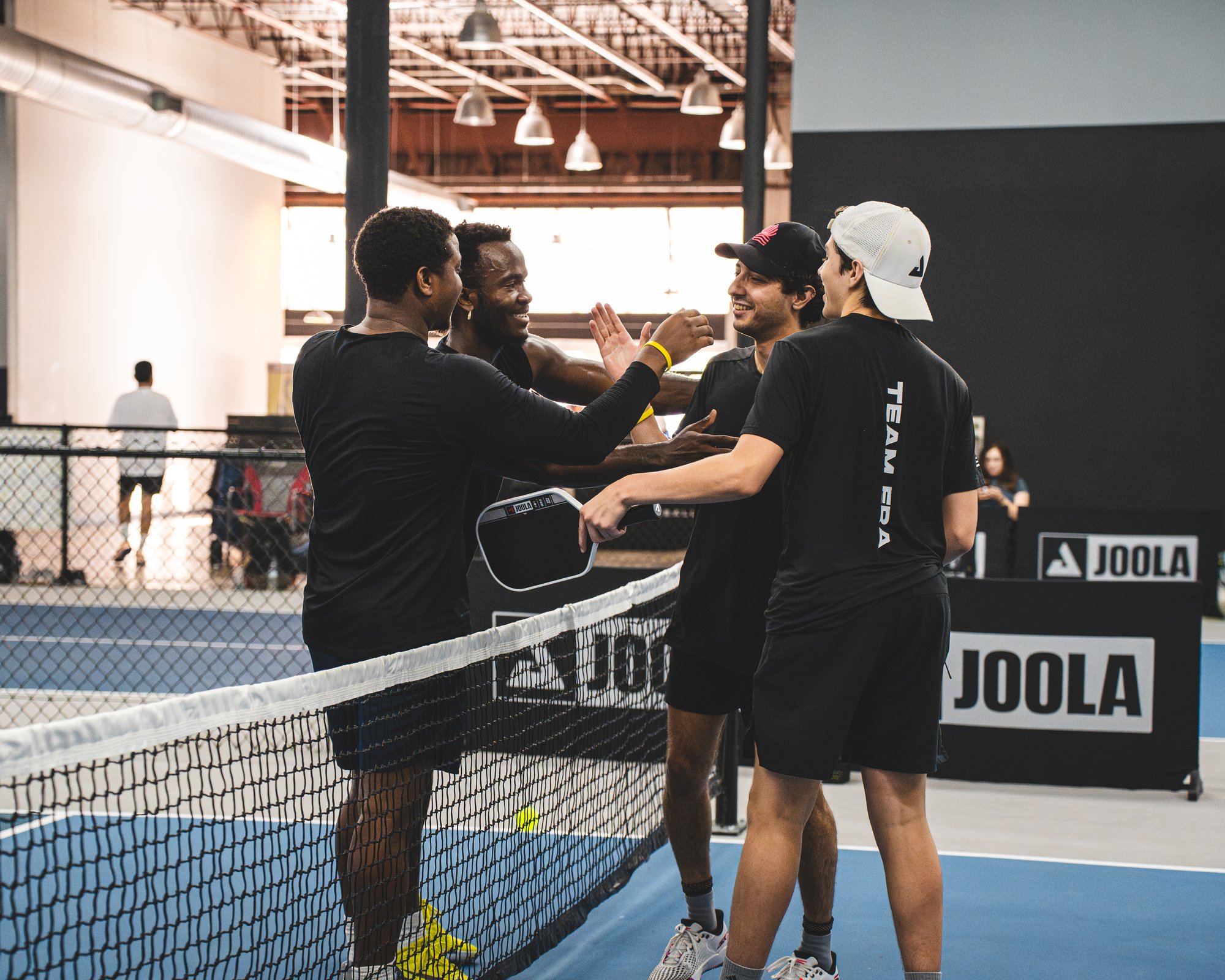
Core services at Era Pickleball:
- Court rentals for open play, leagues, and private coaching sessions
- Structured coaching programs for all ages and skill levels
- Youth and adult clinics that emphasize technique and strategy
- Seasonal leagues and tournaments that emphasize fun, fair play, and competition
- Facility amenities including a lounge, refreshment area, and clean locker rooms
Ways to engage more deeply:
- Become a coaching mentor or assistant coach within the academy
- Volunteer for community outreach events that bring new players into the sport
- Sponsor a youth clinic or a local tournament to support access
- Join a social play group to reinforce skills in a low-pressure setting
- Attend open houses and demo days to explore programming and meet coaches
The ecosystem at Era Pickleball thrives on a simple premise: if you show up with curiosity and commit to practice with intention, you will see progress. That progress might be measured in a handful of crisp rallies or in the more subtle shift toward smarter court sense. The beauty of a well-run academy is that those measures do not live solely on a scoreboard. They live in the way a player approaches training, in the patience a parent shows when a child learns to read a scoreboard for the first time, and in the quiet satisfaction of a coach who sees a group of students move from tentative swings to confident, controlled exchanges.
As someone who has watched the sport grow in communities across the country, I know there is no one-size-fits-all recipe for a successful pickleball hub. Era Pickleball seems to have found a balance that many facilities chase but few fully realize. The balance is between demand and care, between the seriousness of competition and the warmth of a social club, between structured learning and the spontaneity of casual play. It is this balance that makes the academy feel less like a business and more like a neighbor you can count on when you need guidance, gear, or a new set of friends.
The road ahead for Era Pickleball will likely include continued investment in coaching development, more flexible scheduling to accommodate working families, and expanded programming for seniors who want to stay active in a supportive environment. There is a delicate art to scaling a community asset without losing the intimate feel that makes it work. This is the kind of challenge that seasoned operators embrace with pragmatism: yes, you grow, but you do so in a way that preserves the core values—the safety, accessibility, and generosity of spirit that drew people to the space in the first place.
For players who are contemplating a deeper commitment, Era Pickleball offers pathways that feel realistic and concrete. You can start with a drop-in clinic to test the waters, then move into a multi-week progression that covers the fundamentals, mid-range tactics, and high-level shot selection. Some players will prefer private coaching, and Era’s framework accommodates that without making the experience feel transactional. The goal is simple: to give people a credible map of where to go next, with enough flexibility to adapt to real life. The most enduring players are not those who chase the most sessions in a month; they are the ones who sustain progress over the long haul by integrating what they learn on the court into their daily practice and into their social circles at the center.
As for the broader pickleball landscape, Era Pickleball exists at an interesting intersection. The sport has exploded in popularity, driven by accessible equipment, rapid skill development, and a social component that appeals across ages. This is not just a pastime; it is a modern community sport with the potential to anchor local culture. A gym can host cardio classes, a swimming pool might offer lap lanes, but a pickleball academy anchors a shared daily habit that invites conversation, mentorship, and durable friendships. When you design a space around that habit—where practice is paired with feedback, where a casual rally can turn into a weekend tournament, where a coach can suggest a drill that you practice with your child in the driveway at home—then you get something more than a facility. You get a living, breathing ecosystem.
In the end, Era Pickleball stands as a testament to what dedicated, thoughtful leadership can accomplish in a community sport. It demonstrates that the value of a pickleball center extends beyond the court lines. It is about people showing up with the intent to improve, to help others improve, and to do so in a way that is welcoming to newcomers and challenging to veterans in equal measure. It is about the steady drumbeat of clinics and leagues, the quiet exchange of coaching feedback, and the everyday moments when a player gains a little more control over the paddle, a little more confidence in their footwork, a little more pride in their own progress.
If you ask players at Era Pickleball what keeps them coming back, you will hear a chorus of practical reasons. They value the consistency of court availability, the quality of coaching, and the sense that the center is a safe harbor where their time is respected. They appreciate the way staff remember names and players, the way the schedule accommodates their work and school commitments, and the way the community gatherings feel genuine rather than performative. They also recognize the price of admission—time, money, effort—and feel that the returns, measured in skill growth, social connection, and personal happiness, justify the investment. It is not magic; it is infrastructure built with care, tested in real life, and refined through ongoing dialogue with players and families who live the sport every week.
The narrative of Era Pickleball is still being written, page by page, season by season. The center’s whiteboard holds the future with notes about new clinics, potential partnerships, and ideas born from conversations after a late-night clinic. The energy in the room suggests that the community is not a static crowd but a living, evolving organism. It thrives on the momentum that comes from even the smallest improvements—the improvement in a direct dink, the increased pace of a transition, the sharper anticipation of where an opponent will place a ball. Each week adds another thread to a wider tapestry: a tapestry that tells the story of neighbors coming together to learn a sport they love, to share a space that feels like home, and to do so with a level of professionalism that honors the game.
For anyone considering joining Era Pickleball, the invitation is straightforward. Come see the space, talk to the coaches, try a session, and feel the tempo of the place. You will notice the same things that seasoned players have learned to recognize: a culture that prizes clarity in instruction and kindness in competition, a facility designed to minimize friction and maximize opportunity, and a commitment to sustaining a community that grows stronger when more voices join the game. It is not an endorsement built on hype or a one-time event. It is a living recommendation based on daily reality—the long arcs of improvement, friendship, and shared purpose that define a real pickleball academy.
In the end, Era Pickleball is more than a brand or a building. It is a practical blueprint for how sport can anchor a community, how coaches can become trusted mentors, and how a center can extend its reach beyond the nets and courts to touch the everyday lives of the people who walk through its doors. It is a modern example of what a purposeful, people-centered facility can achieve when it blends the discipline of coaching with the generosity of a welcoming environment. If you crave a place where growth is visible, where learning is social, and where competition sits comfortably within a larger commitment to health and connection, Era Pickleball offers a compelling path forward. This is where players, families, and coaches meet, learn, and grow together—on courts that feel both challenging and fun, in a space that feels both professional and personal. It is, quite simply, a community hub for the sport we all love.