eras pickleball classes: A Beginner’s Roadmap
@cristiangrsc888
A good pickleball class can feel like a doorway to a new kind of fitness, competition, and social ritual. For beginners stepping into the era of Era Pickleball, the journey is less about mastering every trick in a single weekend and more about building reliable fundamentals, a mindful approach to practice, and a path that scales as confidence grows. In my years working with players who start from square one, I’ve learned that the most valuable progress comes from a blend of structured coaching, honest feedback, and experiences that feel both challenging and achievable. This piece maps out a practical, experience-driven roadmap for beginners who are eyeing Era Pickleball pickleball classes, with attention to what to expect, how to prepare, and how to translate classroom learning into real court performance.
What makes Era Pickleball and its coaching ecosystem distinctive is the emphasis on gradual skill-building that respects the body and the mind. The classes are not a sprint through flashy shots or complicated drills. They’re a measured introduction to technique, footwork, control, and strategy. When you walk into a beginner session, you’re not just signing up for a one-off lesson. You’re enrolling in a sequence of experiences designed to translate into consistent results on the court. The coaching crews at era pickleball are experienced in diagnosing common early missteps and in shaping progress that stays meaningful over weeks and months rather than moments.
First impressions matter, but so do the questions you carry into your first class. How do I hold the paddle? What grip should I use for a beginner volley? How do I move on the court without colliding with partners or teammates? Each Era Pickleball class grows from those practical inquiries, and over time the answers become instinctive rather than theoretical. If you approach with curiosity, you’ll discover not just how to execute a shot but how to cultivate a consistent routine that supports steady improvement. The arc from novice to confident player is rarely linear, but it is predictable when you follow a structured program that aligns technique with strategic thinking.
What to expect in the first weeks
When you enroll in pickleball classes Era Pickleball offers, you’ll likely start with an orientation that blends demonstration with light, individualized feedback. In many programs, the initial sessions focus on safety and fundamentals: grip, stance, paddle control, and the basic plays at the net and halfway back. Expect to spend time on the kitchen rules and court etiquette as well, because a smooth, respectful environment accelerates learning. The earliest sessions are as much about building confidence as they are about building skill. You’ll notice a gentle rhythm settle into practice: warm-up that refreshes the joints, a block of technique drills, partner exchanges for practical application, and a short scrimmage that translates what was just learned into a live setting.
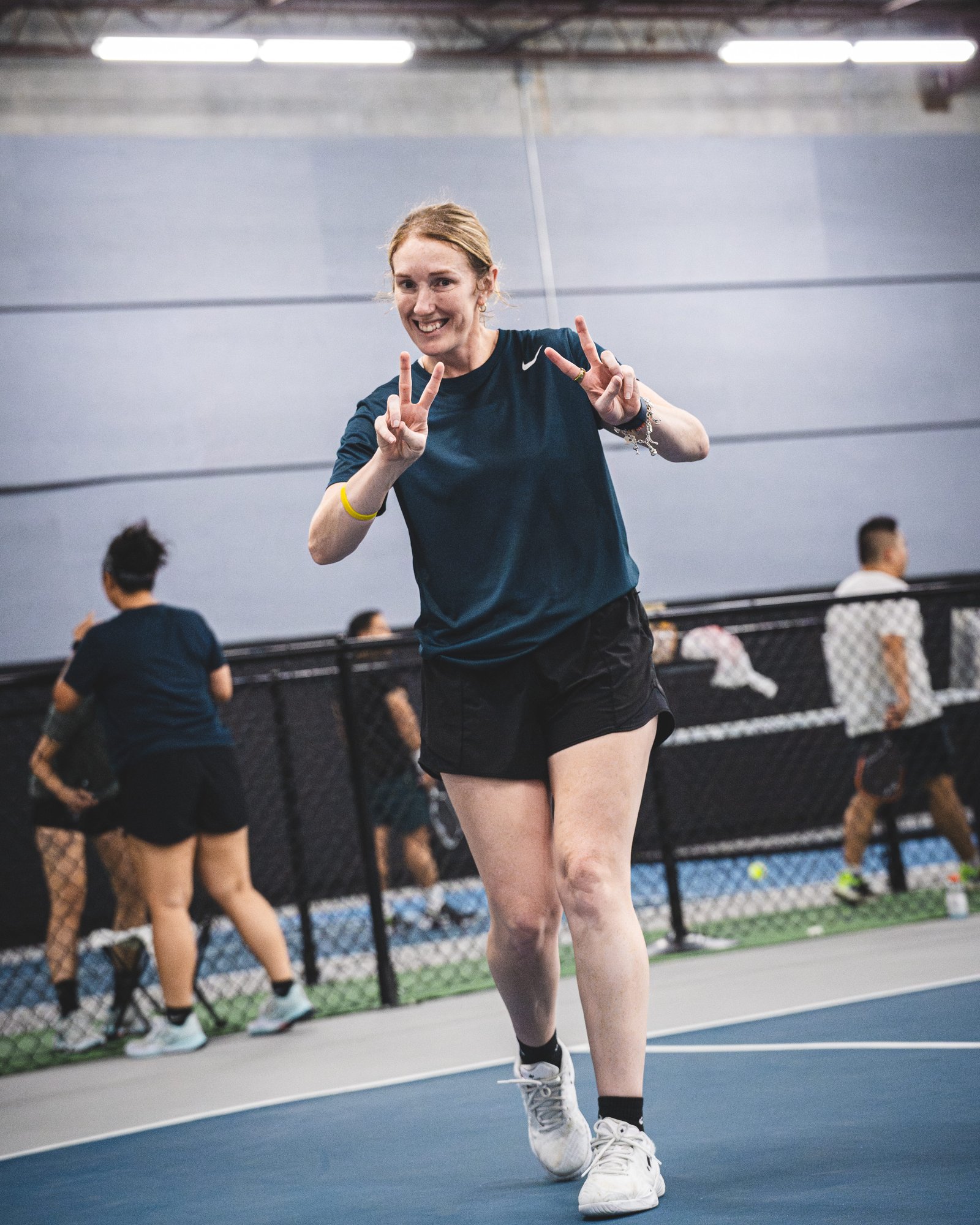
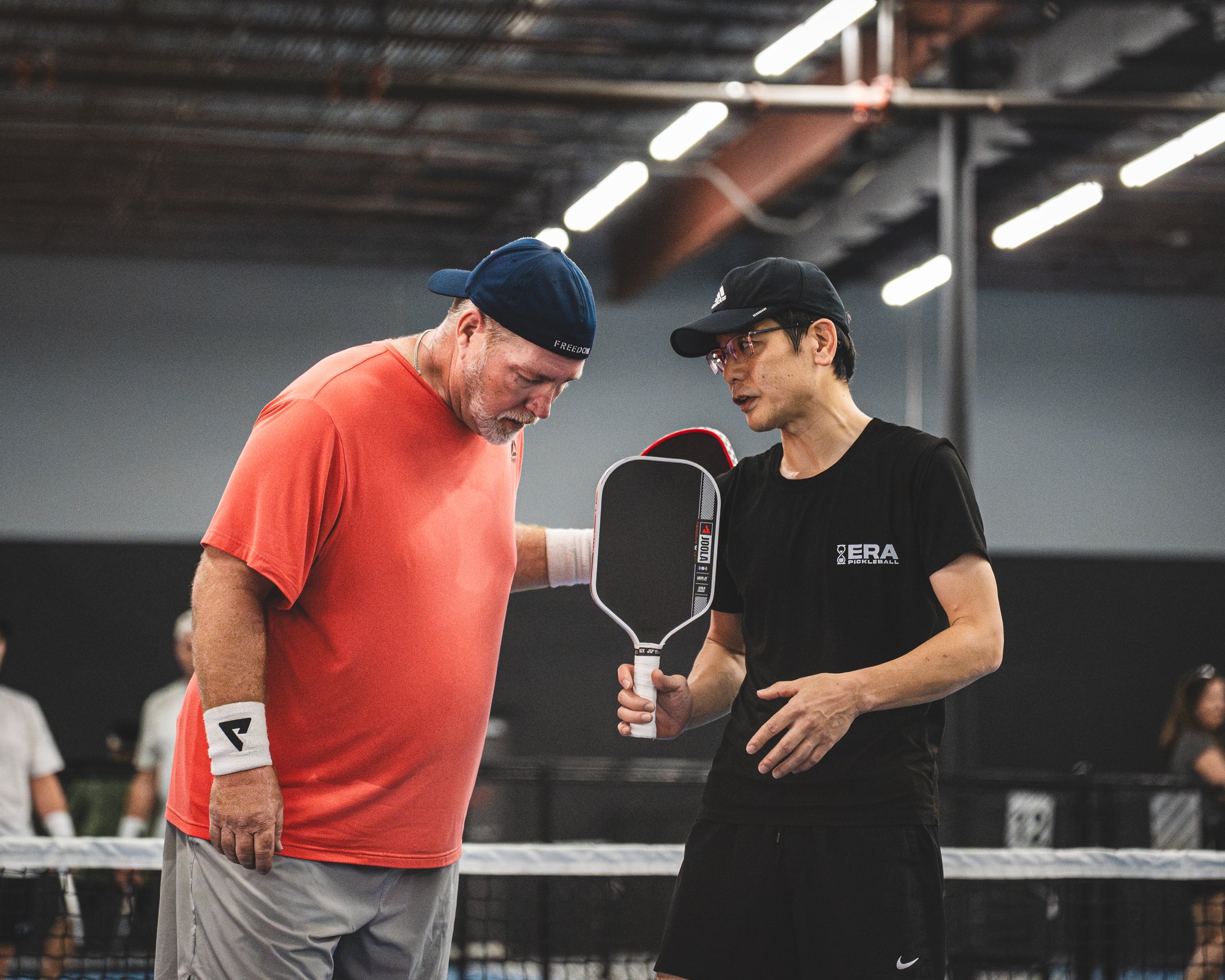
One of the most important realities for beginners in era pickleball coaching is the pace. Coaching teams understand that accuracy will lag behind speed at first, and that’s exactly how it should be. Early on you’ll hear cues that emphasize balance and control more than flashy rallies. Coaches will encourage you to slow down intentionally when a shot seems outsized for your current skill level. This approach reduces the risk of overuse injuries and helps you parse technique into repeatable micro-skills. You’ll leave the baseline with a handful of reliable groundstrokes, a guard against overambitious net play, and a clearer sense of how to anticipate opponents’ patterns.
The role of repetition and feedback cannot be overstated. A good Era Pickleball class uses repetition not as mindless drilling but as purposeful reinforcement. You’ll encounter drill sequences that cycle through specific situations: return of serve, drive from the baseline, transition to the net, and a controlled volley exchange. Each cycle is designed to be completed with a high rate of success, so fatigue does not erode form. Immediate feedback—often from a coach hovering near the drill—helps you correct micro-movements before they become ingrained habits. The best coaches will also give you a tool or two to work on outside of class, so your practice at home or at a local court can be productive rather than frustrating.
Technical foundations you’ll develop early
Many players underestimate how much time it takes to build reliable contact on the ball. In Era Pickleball pickleball classes, you’ll be guided toward a neutral paddle face, a relaxed grip that reduces tension in the forearm, and a stance that allows you to redirect weight efficiently. The journey typically begins with forehand and backhand groundstrokes, then expands to volleys that live closer to the net. Over the weeks, you’ll practice controlling the ball’s height and pace, learning to vary spin and depth in a way that makes your shots less predictable to opponents.
Footwork is the other pillar that receives focused attention. You’ll learn to move with intention on a compact court, using short, overlapping steps to reposition yourself rather than taking oversized strides that throw your balance off. The objective is not to sprint like a track athlete but to reach the ball early and with a stable base. A steady cadence emerges as you learn to blend step patterns with paddle preparation. When you can approach a ball with a steady rhythm, you’re more likely to execute your intended shot rather than improvising a last second swing that compromises control.
Strategic underpinnings also surface early, even in beginner classes. You’ll start to understand when to apply pressure, how to construct a rally to force errors, and which shots push your opponent into a defensive posture. The learning here is gradual: you’re not asked to memorize dozens of playbooks; you’re encouraged to notice patterns in your own games and then to practice responses that minimize risk while keeping you engaged in the point. Strategy becomes practical when you can translate a drill into a real rally without overthinking the sequence. In other words, the coach helps you see the court as a dynamic space rather than a grid of isolated shots.
Pacing your progression
A well-constructed beginner path in Era Pickleball pickleball classes respects human limits. For most players, the first six to eight weeks establish the baseline that will support more advanced technique without producing burnout. A typical progression follows a gentle arc: refine grip and stroke mechanics, lock in footwork, introduce serve variations, then convert those elements into structured points. The weeks between sessions are not a gap to forget what you learned but an opportunity to reinforce the new habits through deliberate practice. You will notice that your improvements happen in small increments that accumulate into meaningful gains over time.
During this period you also learn to interpret feedback without letting it derail your confidence. Coaches in Era Pickleball programs are adept at delivering constructive critique in a way that motivates, not demoralizes. They’ll point out what you did right before addressing what needs adjustment, so your focus remains balanced and positive. A key part of this phase is cultivating patience. Beginners often want instant results, yet the reality is that the brain and body are reorganizing in response to new demands. The right coaching environment helps you stay curious and persistent, turning what could be a monotonous grind into a sequence of small, satisfying breakthroughs.
What you can reasonably expect to achieve after a few months
The most common milestones by the middle of a beginner’s path include consistent contact with the ball on both forehand and backhand sides, improved control on returns, and a more reliable transition to the net. You’ll notice that your rallies become longer and more predictable, not because you possess a killer shot but because you understand how to direct rallies with purpose. Your serve may start to put the ball in play with greater consistency, and you’ll be able to execute short, controlled volley exchanges that keep you safe from unforced errors. In short, the cognitive load of playing—knowing where to aim, how to move, and when to apply a pickleball rentals particular shot—becomes lighter as your muscle memory strengthens.
Another important aspect of the journey is how you measure progress. While trophies and highlight reels are tempting markers, what matters more is your ability to participate in a variety of games with less fear and more initiative. You’ll be able to join a friendly pickup with minimal hesitation, understand the physics of the ball at different speeds, and recognize what kinds of drills most effectively translate to actual court success. The confidence you gain from public-facing practice translates beyond the white lines of the court and into your daily routines, where you carry a steadier sense of balance and focus.
Choosing the right program and coach
The Era Pickleball coaching ecosystem is anchored by coaches who bring practical experience from playing and teaching widely. A good coach for beginners will listen first, observe second, and tailor feedback third. They should be able to translate what you feel in your body into precise corrective steps that you can implement without overthinking. A standout coach also helps you see the wider arc of growth: how today’s fundamentals feed tomorrow’s off-speed shots, how today’s rallies build tomorrow’s strategic capabilities, and how your personal goals line up with the longer, gentler road of improvement.
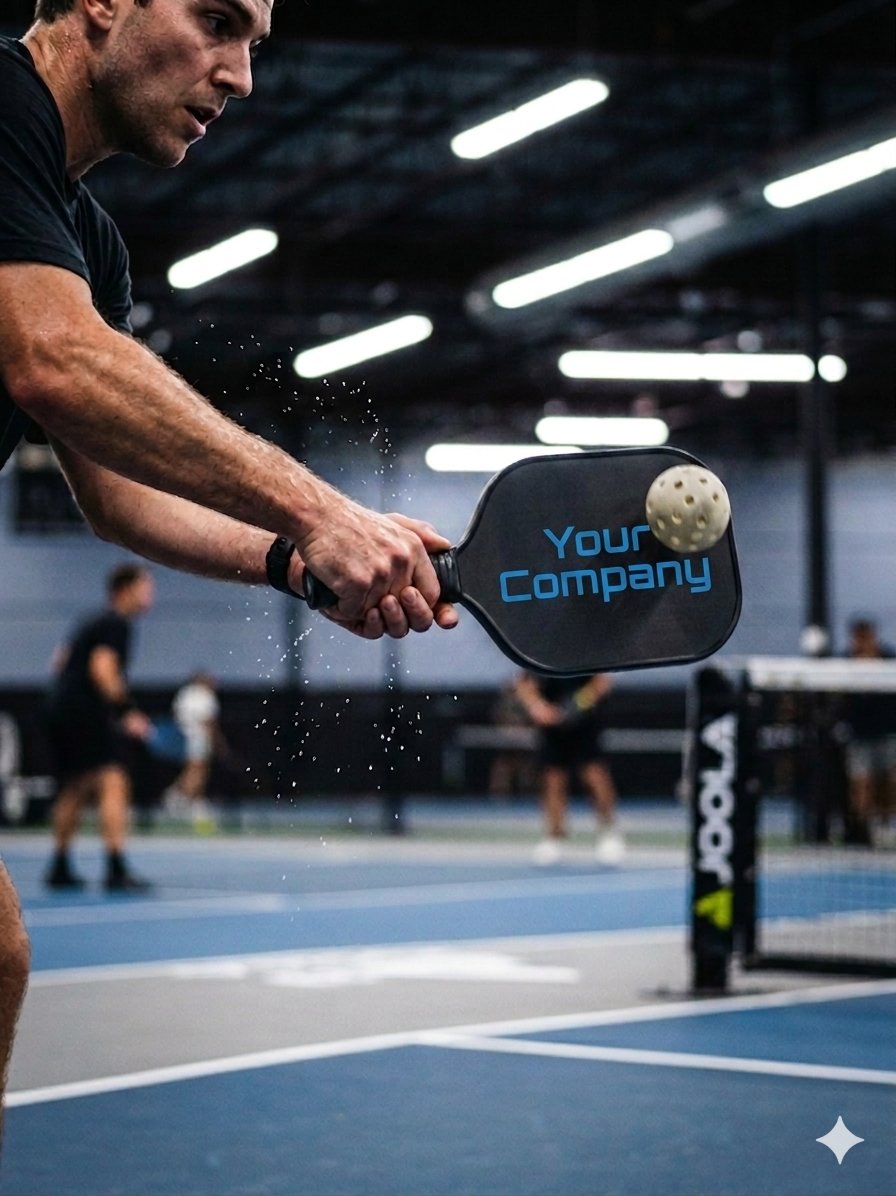
If you’re selecting among various pickleball classes Era Pickleball offers, consider the following practical criteria. Check how small the class sizes are, because individual attention matters far more than the prestige of the brand. Look at the instructor’s background: do they emphasize safety, progressive loading of skill, and an evident empathy for beginners? Ask about progression paths—how does the program transition you from fundamentals to more nuanced shot selection and tactical awareness? Also, gauge the community aspect. A supportive cohort that keeps showing up will accelerate learning as much as the coaching itself.
Two common paths you’ll encounter
Within Era Pickleball pickleball training, there are typically two introductory tracks that dovetail into the broader program. The first path suits players who are new to racket sports or who prefer a slower, more technique-oriented introduction. This track prioritizes grip, stroke mechanics, and control, with an emphasis on playing style that reduces risk of injury and fosters lasting habits. The second path appeals to a broader group: athletes who might have some experience but want to translate that into consistent court performance on a pickleball court. This route blends technique with short, structured live play to test and refine new mechanics in real time.
Both tracks converge over time. As you progress, you’ll encounter more complex drills, longer rally opportunities, and a wider variety of scenarios that require you to adapt. The goal is not to force speed but to cultivate a degree of technical fluency that makes speed a natural byproduct of competence. In my experience, players who embrace this crossroad—where technique informs play and play reinforces technique—tend to advance most efficiently. They leave the initial classes not as finished products but as players who know what to practice, why it matters, and how to measure improvement.
Equipment and practicalities
Another area where beginner players often invest energy is equipment. A good paddle is a personal choice, but it should feel balanced in your grip and comfortable in your hand. Most coaching programs, including Era Pickleball classes, won’t demand top-tier gear right away. A stable paddle with a comfortable grip and a reasonable weight range will do for the first months. Shoes matter too. Pickleball requires lateral movement and quick changes of direction, so a court shoe with good grip and a stable sole is essential to protect your ankles and knees. If you’re buying gear specifically for Era Pickleball pickleball training, don’t feel obliged to chase the most expensive setup out of the gate. Focus on fit, comfort, and reliability.
Part of the learning experience is noticing the environment in which you practice. Indoor courts that maintain a smooth, even surface are ideal for early development, but you’ll also gain value from playing on outdoor surfaces under varying conditions. The coaching staff will remind you to adapt to different bounce speeds and wind patterns when you play outside, because the ball behaves differently in the open air. Over time you’ll develop a nuanced sense of how to adjust your setup for a range of contexts, which is the mark of a player who has internalized the fundamentals.
How to structure your practice outside class
Outside of the scheduled sessions, a simple, focused practice routine can keep you moving forward without burning you out. A practical template would be:
- Start with a 10-minute warm-up that cycles through dynamic stretches and light footwork.
- Go through 15 minutes of controlled groundstroke drills, focusing on contact quality and paddle alignment.
- Do a 15-minute drill block that emphasizes net play and short rallies, gradually increasing pace as comfort grows.
- End with a 10-minute cool-down that includes light mobility work and a quick reflective note about what felt easier that day.
Consistency matters more than intensity in this phase. You’ll see breakthroughs when your practice becomes predictable and well-structured rather than sporadic and exploratory.
Two lists to guide practical choices
What to bring to your first Era Pickleball class
- Knee-friendly athletic wear and court-appropriate shoes
- A reputably grippy paddle that feels balanced in your hands
- A water bottle and a towel for post-practice cleanup
- A notebook or device for jotting quick coaching notes after drills
- A positive attitude about learning and a willingness to be corrected
Progress milestones you can aim for in the first season
- Consistent ball contact on forehand and backhand groundstrokes
- Reliable returns that land within the kitchen line or closer
- Steady net approach with improved balance during volleys
- Reduced hesitancy in transitions from baseline to net
- A basic, credible serve that puts the ball in play with predictable bounce
These lists are practical anchors, not rigid prescriptions. They’re designed to help you prepare for a successful experience with era pickleball classes and to keep you centered on meaningful, trackable progress.
A real-world note on expectations and edge cases
Every beginner’s journey has edge cases. Some players come with athletic backgrounds that translate quickly, while others discover that their non-dominant side requires longer, steadier attention. In my experience, players who succeed at Era Pickleball pickleball coaching are those who actively seek feedback and embrace repetition without chasing shortcuts. They set tangible goals for each class, such as "today I want to keep rallies alive for five shots," or "I want to limit my unforced errors to under five per game." They leave sessions with a crisp plan for the next week that keeps the learning loop active.
It’s also worth acknowledging that a beginner’s road can be scattershot. There will be days when timing feels off, when your shots misfire in ways you cannot immediately diagnose, and when a drill that worked in week four seems to fail in week eight. That is not a sign of failure. It’s a natural part of building neuro-muscular coordination and strategic awareness. A strong teacher can help you interpret those fluctuations as data points, not verdicts. The right perspective is that improvement is often a series of small, honest adjustments rather than dramatic leaps.
Culmination and onward movement
As you approach a steady rhythm in Era Pickleball pickleball training, you’ll begin to see a natural shift. The drills that once felt challenging will become mundane, and you will be ready to push into more advanced tactical scenarios. The coaching staff will likely introduce more structured point play, deliberate variations in paddle contact, and subtle changes to your serve to keep opponents guessing. This is the moment where the beginner’s foundation pays off in practical, court-ready competence. Your confidence will rise not from flashy shots but from consistent execution under pressure.
At this stage, you might consider evaluating how your training aligns with your personal goals. If your aim is recreational fitness and social play, you’ll be well prepared to participate in community events and open play with a level of reliability that makes these sessions enjoyable for everyone involved. If your objective is competitive improvement, you’ll find a natural path from introductory classes into more targeted training, with a clear track for progressive challenges, skill-specific drills, and performance feedback.
Closing thoughts for players at the start of their Era Pickleball journey
The journey through Era Pickleball pickleball classes is about more than technique. It’s about building a pace, a language, and a rhythm that suits you as a player. It’s about learning to listen to your body and to your coach in equal measure. It’s about recognizing early on that progress will happen in layers: the first layer is comfort with the paddle, the second is control and placement, the third is strategic awareness that makes your rallies meaningful rather than simply long. And most importantly, it’s about joining a community that moves at a human scale, where improvement feels tangible, and where every small victory is celebrated as part of a larger, ongoing journey.
If you’re considering Era Pickleball pickleball coaching, you’re already taking a thoughtful first step. Your attention to coaching quality, your commitment to practicing with intention, and your openness to feedback will form the core around which your improvement coalesces. The road from a nervous beginner to a confident player who understands the court dynamics is not a straight line, but it is navigable with the right program, the right coach, and a steady personal discipline. With the road map outlined here, you’ll approach your first class not as a gamble but as a carefully plotted start to a sport that rewards curiosity, consistency, and care.