Start Strong with Era Pickleball pickleball classes
@cristiangrsc888
From the first rally to the last shot of the day, the way you start shapes everything that follows. In my years coaching pickleball, the easiest way to unlock steady progress is to begin with a structure that feels both practical and purposeful. Era Pickleball pickleball classes offer more than a collection of drills; they deliver a framework you can trust when you walk onto the court. The distinction matters because pickleball is a sport of small margins. A fraction of a second, a inch of reach, a breath held just long enough to reset after a volley—these are the differences that determine whether a player feels adrift or in control.
What makes Era Pickleball classes stand out is less about gimmicks and more about the craft of teaching. The staff has a lived understanding of bringing beginners through the jitters of their first dink to the precise footwork and shot selection that keep intermediate players advancing. You won’t find inflated promises or generic cardio circuits wearing the label of instruction. You’ll find a practical, tested approach grounded in the realities of the game as it’s played on courts everywhere.
The first few sessions often set the tone for a player’s entire season. The goal is not to rush to flashy shots but to build reliable fundamentals that endure through fatigue, pressure, and the unpredictable tempo of a doubles match. That combination—clear technique, steady practice, and an emphasis on decision quality—animates Era Pickleball pickleball classes. It also reflects a broader truth about coaching: you teach people how to think, not just what to do with the paddle.
Understanding the environment helps you see why these classes can yield meaningful improvement. The era of improvised drills and guesswork is giving way to targeted routines that match the pace of real points. In Era Pickleball pickleball training, you’ll notice a shift from long, endless drills to shorter, sharper sessions designed to trap bad habits early and reinforce correct ones. It’s a philosophy that respects both the body you bring to the court and the game you want to master.
The experience of a typical class begins before the warm-up. A coach will greet you with a quick read of your current level, your goals, and any injuries or movement limitations that could influence how you train. The safety overlay matters because pickleball, while approachable, still demands attention to knee health, shoulder wear, and the torque that evolves as you become more active. With that context established, the session unfolds in a sequence that feels both efficient and natural. You’ll progress from movement prep to technique work, then into game-like scenarios that test what you’ve just learned.
For someone stepping into Era Pickleball pickleball classes for the first time, the entry is usually straightforward. There’s a clear path from fundamentals to more advanced options, but you’ll notice something else as you begin: a culture of accountability without judgment. Players are encouraged to push themselves within safe boundaries. The coaches emphasize feedback that is concrete, behavioral, and actionable. The result is a learning loop that happens on the court, in real time, rather than in a vacuum of theory.
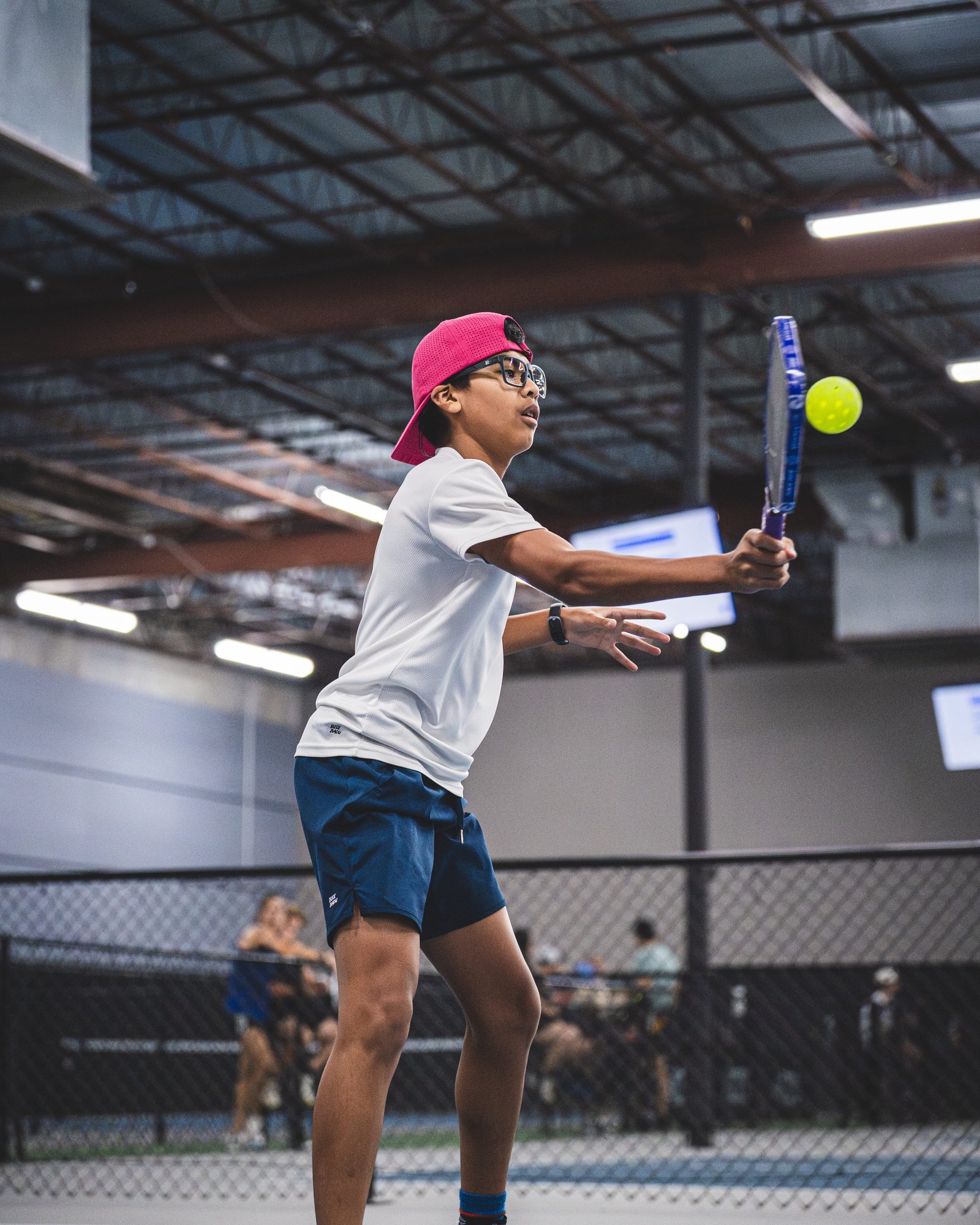
A practical guide to what you should expect, and what to bring, helps you arrive ready to dive in. Comfortable athletic wear, non-marking court shoes, a water bottle, and a paddle that isn’t too heavy or too light are the baseline. You’ll discover that the paddle you bring matters less than your willingness to adapt to different paddle styles used in the class. The coaches encourage experimentation but also insist on maintenance—grip checks, string flexibility, and a quick assessment of how your grip and stance hold up under pressure. It’s the kind of pragmatism that makes the sessions feel durable rather than ephemeral.
What follows is a deeper look at how Era Pickleball pickleball classes structure learning, how you can measure progress, and how the coaching style translates into usable on-court results.
A practical look at class design
Each Era Pickleball pickleball class is built around a central question: what should a player be able to do reliably after a given block of practice? The answer sits between technique and decision making. You learn a shot, then you learn when to use it, then you learn how to defend against it when the other pickleball near me side holds their ground. It’s a cycle that repeats with different angles, speeds, and partner chemistry, but the spine remains consistent: technique before tempo, control before power, and clarity before speed.
In the earliest sessions, the focus is on the dink, the serve, and the return. These are the most frequent, most low-risk exchanges in a pickleball rally, and getting them right sets up everything that follows. You’ll see the coaches intentionally pair players with mismatched heights or slightly different styles so you learn to adjust on the fly. The coaching staff uses simple cues that travel easily across drills and into match play. The cues are not esoteric; they are practical reminders that you can recall in the middle of a point.
As players gain familiarity, the class widens to include patterns that bring consistency to nearby shots. You can expect, in a typical block, to see sequences such as a controlled dink into the kitchen, a fast transition to the net, and a crisp volley that keeps the ball low and close to your opponent’s paddle. The goal is not brute force but reliable read and response. A well-timed ball into the service court, followed by a soft third shot making your rivals reset, often becomes a signature move in these sessions.
The coaching team also designs drills to reinforce spacing and court coverage. Doubles strategy surfaces early because understanding where to stand and how to move with a partner is crucial for winning more than your share of points. You’ll hear terms like “two to the line, one to the middle” and “bridge the gap” not as mystifying jargon but as actionable instructions that guide footwork and shot selection. The result is a natural flow where players begin to anticipate the next shot not as a reaction but as a planned sequence.
Two lists offer compact reference points for quick recall during practice and in matches. First, a list of core skill areas that underpin most lessons. Second, a short checklist of situational cues you can use during a point. These lists are intentionally limited in length to preserve their usefulness and prevent cognitive overload during training.
Core skill areas in Era Pickleball pickleball classes
- Dinking technique and control
- Serve return quality and placement
- Third shot consistency and placement
- Net transition and volley timing
- Court positioning and movement efficiency
Situational cues to recall during a point
- Read the opponent’s paddle angle and commit early
- Use depth to push opponents back, then shorten at the net
- Communicate with your partner before each rally
- Maintain ready position after every shot to prepare for the next
- Keep the paddle in a high, stable plane to reduce errors
The environment of the class itself is designed to promote habit formation. Coaches, with a calm and precise approach, model the movements first. They narrate the why behind each action, which helps players internalize rather than imitate. For example, you’ll hear an explanation about why the dink should stay short and soft, not hard and fast. The rationale is not just about winning the point in that moment but about reducing the chance that you’ll misread a ball later in a tense rally. It’s about long-term reliability. That emphasis on sustainable technique is a hallmark of Era Pickleball pickleball training.
From drill to match, how progress is tracked
Progress in these classes is rarely measured by flashing improvements or dramatic talent reveals. The metrics are more pragmatic. The coaches watch for two things: consistency and decision quality. Can the player reproduce a stroke with the same mechanics across different drills? Do they choose the best shot given the score, the position on the court, and the score of the rally? The answers guide the next week’s emphasis.
For many players, the first tangible gains come in the form of fewer unforced errors and better movement efficiency. You’ll notice that your energy lasts longer in a match because you’re executing fewer rushed shots and because your court coverage is more economical. The improvement is often not loud, but it is persistent. It’s the difference between a rally that ends with a hopeful swing and a rally that ends with a deliberate, planned shot sequence that keeps you ahead.
The coaching philosophy centers on growth that you can transfer to your own practice at home or in casual play. Era Pickleball classes encourage players to carry over techniques into open play sessions, the kind you might enjoy at a community court on a weekend. The coaches often bring simple, portable drills that you can replicate without special equipment. For a player who wants to keep moving between lessons, this continuity matters. It means you don’t need to wait for the next class to work on what you learned.
The value proposition for those who commit to a season is clear. You gain more than technical improvement; you build a working approach to the game that reduces guesswork and enhances confidence. Confidence is not the same as boastfulness. It is the quiet assurance that when a shot comes at you, you have a plan that you can implement with steady hands and a clear mind. That mental clarity is as important as the mechanical precision you practice on the court.
Adapting to different levels and goals
Era Pickleball pickleball classes aren’t designed to be one-size-fits-all. The best programs recognize that players come with varied goals. Some are focused on weekend doubles tournaments, others simply want to stay active and improve their longevity on the court. The coaching staff adapts to these ambitions with a flexible approach.
Beginners typically spend more time on the basics, gradually layering in complexity as comfort and confidence grow. The first quarter often feels like laying a new foundation. You’ll lay out a dependable stance, a repeatable contact point, and a rhythm for trials and errors that doesn’t escalate into frustration. In contrast, more experienced players might lean toward drills that emphasize read-and-react patterns, fast exchanges at the net, and strategic placement that denies opponents the easy options. The class structure allows this kind differentiation without fragmenting the overall learning trajectory. It keeps the group cohesive while honoring individual growth paths.
Beyond technique and tactics, Era Pickleball coaches also emphasize injury prevention and movement efficiency. Instructors talk through warm-up rituals that prepare the knees and hips for the lateral demands of a fast-paced sport. They offer scaling options for drills when fatigue sets in, ensuring that players stay safe while still being challenged. It’s a reminder that great training respects the body while demanding mental focus and technical discipline.
A practical note on scheduling and logistics
If you’re thinking about enrolling in Era Pickleball pickleball training, you’ll want to consider how the cadence of classes fits into your life. The schedule is typically structured with regular weekly sessions, seasonal intensives, and occasional clinics that bring in guest coaches. The exact format can vary by location, but the underlying philosophy remains constant: consistent, purposeful practice yields better results than sporadic, high-intensity sprints.
Logistics matter because they influence how you train. A class that starts on time, with a clear plan and a warm-up that actually primes your body for efficient movement, makes a meaningful difference in your day. You’ll appreciate coaches who arrive prepared and who bring a few extra demonstration balls for players to observe and compare, especially when there are small but meaningful differences in grip or stance. The right environment makes it easier to integrate the practice into your routine rather than letting it feel like a separate obligation.
If you’re comparing options, look for indicators of experience in the coaching staff. Ask about the instructors’ own competitive histories, how they structure progression within a season, and what kind of feedback cycles they employ. You’ll discover that the best programs spend time teaching players how to self-correct, not just how to mimic a coach’s form. In the end, a well-designed program should empower you to feel capable even when you’re practicing solo or with a different partner.
On the social side, you’ll meet players from various backgrounds who share a single drive: to improve without losing the joy of the game. The etiquette in Era Pickleball pickleball classes tends to be pragmatic and respectful. Players help each other with ball placement, offer quick encouragement after a tough rally, and celebrate incremental progress. The camaraderie is not merely a byproduct; it’s a feature that reinforces commitment and keeps practice enjoyable even on the days when your timing isn’t perfectly aligned with the rest of the group.
From first session to daily practice, the arc of improvement looks more like a gentle climb than a rocket launch. You’ll have days where a new shot feels suddenly natural, followed by days of stubborn misfires that remind you how much there is to learn. The best coaches treat those fluctuations as normal and essential parts of growth. They acknowledge the plateau moments and help you reframe them as opportunities to refine your understanding of the game.
Stories from the court
Many players come to Era Pickleball pickleball classes with a specific goal in mind. One player, a former tennis enthusiast who found the pace of pickleball slower but more precise, discovered that the dink became the rhythm that connected all her shots. She learned to pace rallies with a soft touch, moving gradually toward the kitchen with intention. A few months in, she could keep a rally alive long enough to force errors from more aggressive opponents, turning what felt like a defensive posture into a calculated method for accumulating points.
Another member started at the intermediate level and found that the key to consistency was less about a single remarkable shot and more about spacing and anticipation. By working through the patterns taught in class, they began to recognize tendencies in opponents and to predict the flow of points. The classes taught them to use the court— not just the paddle— as a tool for shaping outcomes. That awareness transformed casual play into organized, confident competition.
Even players who come with a strong athletic background report that Era Pickleball pickleball training makes a difference in their approach to the game. They may still sprint to the net or extend rallies in ways they didn’t expect, but they do so with sharper decision making. There is less guesswork about which shot to take in a given moment, and a greater willingness to adjust strategy when an opponent shifts tactics mid-rally. The growth is not only technical; it is cognitive, mental, and emotional as well.
What you can build with time
If you attend consistently, you begin to build a toolkit that you can adapt to different matchups and settings. The core skills are transferable, and the confidence they generate helps you stay composed under pressure. With disciplined practice, you start to trust your body and your training enough to experiment, to take calculated risks, and to recover quickly when a point slips away. The ability to recover is as valuable as any shot in your repertoire. In pickleball, the ball changes hands quickly; the better you are at resetting to neutral after a mistake, the more quickly you can reassert control over the rally.
Era Pickleball pickleball classes can serve as a gateway to a more active lifestyle. Even players who initially came to classes for skill development often notice improvements in balance, coordination, and general athleticism. There is a correlation between deliberate, structured practice and long-term health benefits, including better joint resilience and cardiovascular stamina. The training is not a temporary fix; it’s a sustainable approach to staying competitive and enjoying a physically engaging pastime.
If there’s a limitation worth noting, it’s the same constraint you encounter in any sport that values precision: progress can feel gradual. The pace at which you accumulate measurable gains depends on your starting point, your consistency, and the quality of your practice outside the class. But the relative value of Era Pickleball pickleball training remains high because it anchors improvement in repeatable mechanics, thoughtful decision making, and a culture of supportive feedback.
The road ahead for players and programs
Looking forward, the most enduring advantage of classes like these is the emphasis on transfer. Players learn skills in a controlled environment and carry them into real matches with fewer frictions. The best programs continue to tailor instruction to evolving player needs, incorporating video analysis, individualized feedback, and periodic assessments that keep growth anchored in tangible outcomes. For Era Pickleball pickleball coaching, that means staying close to what actually happens on the court, listening to how players describe the feel of their strokes, and adjusting technique cues to reflect real-world performance.
The practical implications extend beyond personal development. Coaches who focus on durable fundamentals contribute to a healthier, more inclusive pickleball community. They help people of different ages and athletic backgrounds connect through a shared sport that rewards patience, focus, and cooperation. The result is a broader, more welcoming ecosystem where skill development does not require sacrificing enjoyment or social connection.
In this sense, start strong with Era Pickleball pickleball classes is more than a slogan. It’s a roadmap for how to approach the sport with intention. It recognizes that early wins matter, not as a flashy demonstration but as the quiet confidence you carry into every rally. It acknowledges that successful practice is an investment in time and discipline, not a quick fix. And it respects the fact that every player’s journey is unique, deserving a coaching approach that honours that individuality while providing a reliable framework for growth.
Final reflections on beginning well
If you’re new to pickleball or returning after a hiatus, the prospect of joining Era Pickleball pickleball classes can feel daunting. The simplest, most persuasive argument for committing is that the structure of the program protects your time and your goals. A well-run class respects your current level while nudging you toward the next rung on the ladder, never forcing you to sprint beyond what you can absorb. The longer you stay with the practice, the more you realize that the magic lies not in a single breakthrough shot but in the consistency of better decisions, the steadiness of your footwork, and the clarity of your expectations during a point.
If you want a practical starting point, here is what a typical first month might look like in Era Pickleball pickleball training. You arrive with a curious mindset, a willingness to unlearn a few old habits, and a paddle that feels comfortable in your hand. You go through a movement prep that primes the hips and ankles for a quick, stable stride. You drill the dink and the serve return with a patient, repeatable motion, then you test your understanding by playing through short, controlled rallies with a partner. Each week, you add a layer—more net play, more coverage, tighter placement—and you begin to recognize a pattern: better control leads to longer rallies, which in turn makes the game more enjoyable and social.
The journey is not a lone one. You will learn to lean on your coach for feedback, to partner with teammates for constructive practice, and to measure your progress by the quality of your decisions rather than the distance you can sprint between shots. The experience is bigger than any single improvement; it’s about building a durable, repeatable approach to a sport that thrives on rhythm, anticipation, and teamwork.
In the end, starting strong with Era Pickleball pickleball classes is about setting a foundation that can hold up over time. It is about learning in a way that respects your body, your schedule, and your ambitions. It’s about joining a community that values steady progress, precise technique, and the quiet, persistent joy of getting a little better every week. If that sounds appealing, you will likely discover a path that not only sharpens your game but also deepens your appreciation for the sport you love.
As you consider your next steps, keep in mind that real improvement comes from consistent, thoughtful practice and the support of coaches who know how to translate practice into performance. Era Pickleball pickleball coaching embodies that philosophy. Take the leap, commit to a routine, and give yourself the chance to start strong. The court is ready. Your game can be, too.